
Choosing compressed air pipe can feel overwhelming when you are comparing materials, sizes, fittings, and installation costs. Whether you are setting up an automotive shop, expanding a manufacturing facility, or improving your workshop, you want dependable airflow without unnecessary maintenance. At Aluminum Air Pipe, we believe understanding your options is the first step toward building a system that works well today and can grow with you.
What is the best pipe for compressed air?
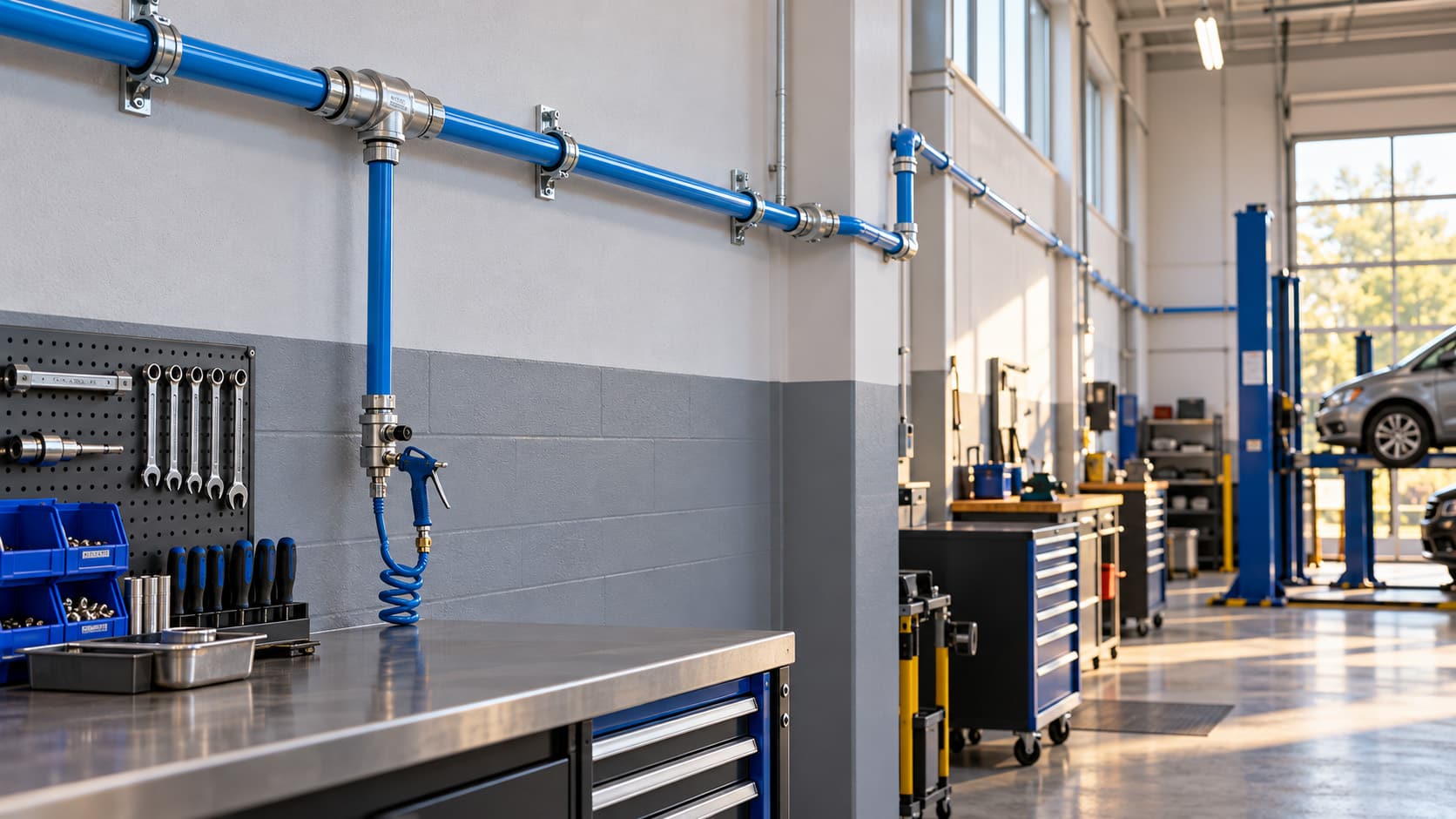
For many shop and industrial compressed air distribution systems, purpose-built aluminum piping is an excellent choice. It combines corrosion resistance, a smooth interior, manageable weight, and modular connections. These features make it a practical option for businesses that value efficient airflow and straightforward installation. However, the best compressed air pipe for your application must also meet your operating pressure, temperature, air quality, and environmental requirements.
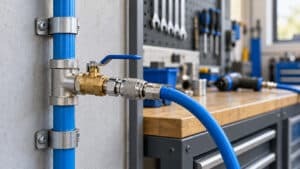
Aluminum Air Pipe offers AIRnet compressed air pipe, which features corrosion-resistant aluminum with an additional protective coating inside and outside. Available in multiple diameters, it gives customers options for matching their piping to the demands of their equipment and facility.
Why choose aluminum compressed air pipe instead of black iron?
Black iron has been used in compressed air systems for many years, but it is heavy and can develop internal rust when exposed to moisture. Over time, corrosion can introduce particles into the air stream and increase resistance to airflow. Aluminum avoids the rust associated with iron piping, making it an appealing choice when cleanliness and long-term performance matter.
Its lighter weight also makes handling easier during installation. For a business planning to move equipment or add workstations, a modular aluminum system can simplify changes. The important comparison is the complete installed system: pipe, fittings, labor, maintenance, and future modifications all contribute to its value.
Are copper and stainless steel good options for compressed air?
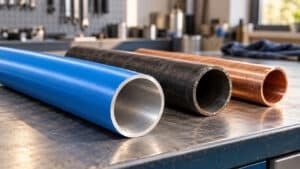
Copper and stainless steel can also be appropriate when the pipe, joints, and fittings are specified for compressed air service. Copper offers corrosion resistance, while stainless steel may suit applications with demanding environmental or cleanliness requirements. The right choice depends on the installation conditions and the requirements of the process being supplied.
For many general shop applications, aluminum offers a useful balance of durability, weight, and flexibility. Specialized applications deserve a closer review, particularly when air purity, chemical exposure, or unusually high temperatures affect material selection.
Can I use PVC pipe for compressed air?
Ordinary PVC plumbing pipe is not an appropriate choice for exposed compressed air lines. A water pressure rating does not establish suitability for compressed gas service. If PVC fails under compressed air pressure, it can shatter and send dangerous fragments into the surrounding area.
The Occupational Safety and Health Administration explains this hazard in its guidance on PVC compressed air piping safety. Choose a piping system specifically intended for compressed air and follow its pressure, temperature, and installation requirements. A low purchase price should never outweigh suitability for the job.
What size compressed air pipe do I need?
Pipe size depends on how much air your equipment uses, the operating pressure, the distance air must travel, and the layout of the system. Airflow is commonly expressed in cubic feet per minute, or CFM, while pressure is commonly expressed in pounds per square inch, or PSI. Equipment running at the same time creates a combined demand that your distribution system needs to accommodate.
Choosing pipe solely by the size of your compressor outlet can lead to an undersized main line. Long runs, fittings, and future equipment additions also affect the decision. A properly evaluated layout helps you select a diameter that supports peak demand while keeping pressure loss within an acceptable range.
Will better piping improve compressed air efficiency?
A properly sized, well-maintained piping system can help reduce avoidable pressure losses and air leaks. When distribution restrictions leave tools without adequate pressure, raising compressor pressure may increase energy use without correcting the underlying problem.
The U.S. Department of Energy provides resources on compressed air system efficiency that encourage evaluating the system as a whole. Pipe selection matters, but so do filters, dryers, connections, leaks, and equipment demand. Aluminum piping supports an efficient design; the actual results depend on sizing, installation, and maintenance.
Does aluminum piping eliminate water in compressed air lines?
No. Corrosion-resistant pipe helps protect the distribution system, but it does not remove moisture from compressed air. Moisture control requires appropriate air treatment and drainage based on your equipment and application.
Outlet design also matters. Aluminum Air Pipe’s Quick Drops provide branch connections from a header pipe and are designed to help limit liquid condensate carryover into drop lines. They complement moisture-management measures rather than replace an air dryer or properly maintained drains.
Can I install aluminum air piping myself?
Modular aluminum piping can make installation more manageable, but successful assembly still requires following the manufacturer’s instructions. Cutting, deburring, insertion depth, support spacing, and connection procedures all matter. Requirements can differ by pipe diameter and fitting series.
Before beginning, confirm that every component is compatible and suitable for the operating conditions. The compressor connection also deserves attention because heat and vibration may require a specified transition arrangement. For larger or more complex projects, an experienced installer can help ensure the system is assembled and commissioned correctly.
How do I choose the best compressed air piping system for my business?
Start with your equipment’s airflow requirements, operating pressure, facility dimensions, and plans for growth. Then compare suitable piping materials based on installation needs, maintenance, and total project cost. The best system should deliver the air your tools need while making future changes practical.
Aluminum Air Pipe can help you move from questions to a workable plan with free design services, pipe sizing, and bill of material creation. Share your facility layout and operating requirements with our team to get started. With the right guidance, choosing compressed air pipe becomes a clear decision that supports your business for years to come.