
Compressed air is often called the “fourth utility” in industrial and workshop settings, right alongside electricity, water, and natural gas. It powers tools, moves materials, and drives critical processes. Yet, despite its importance, the system that delivers this vital resource is frequently overlooked, leading to inefficiency and high operating costs. Here at Aluminum Air Pipe, we believe a great compressed air system should be powerful, efficient, and easy to manage. To help you achieve that, we’ve gathered some of the most common questions people ask about their compressed air setups and provided some warm, informative answers.
Why is my compressed air system so inefficient and expensive to run?
This is perhaps the most common question we hear, and the answer often comes down to two culprits: pressure drop and air leaks. Traditional piping systems, typically made from black iron or steel, begin to corrode from the moment they are installed. This internal rust and scale create a rough interior surface, causing friction that forces your compressor to work harder just to push air to its destination—a phenomenon known as pressure drop. Furthermore, this corrosion eventually leads to pinhole leaks. A single small leak can waste thousands of dollars in electricity costs over a year, and most systems have multiple leaks. Improving the energy efficiency of your system starts with addressing the very pathways your air travels. A modern piping network is the single best investment you can make to reduce the strain on your compressor and lower your monthly energy bill.
What is the best material for my compressed air piping?
When considering an upgrade or a new installation, the choice of piping material is your most important decision. While steel has been the traditional choice, modern systems overwhelmingly benefit from the use of aluminum. The primary advantage of an aluminum air pipe system is its non-corrosive nature. The interior of the pipe remains smooth and clean for its entire lifespan, which means minimal pressure drop and no rust or scale contaminating your air or damaging your tools. Aluminum is also significantly lighter than steel, making it far easier, faster, and safer to install, often without the need for heavy lifting equipment or specialized threading tools. This modularity means you can reconfigure or expand your system down the road with minimal downtime. The smooth, leak-free connections and sustained performance make aluminum the superior choice for a reliable, long-term compressed air solution.
Beyond the pipes, what other components do I need for a complete system?
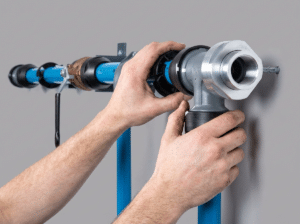
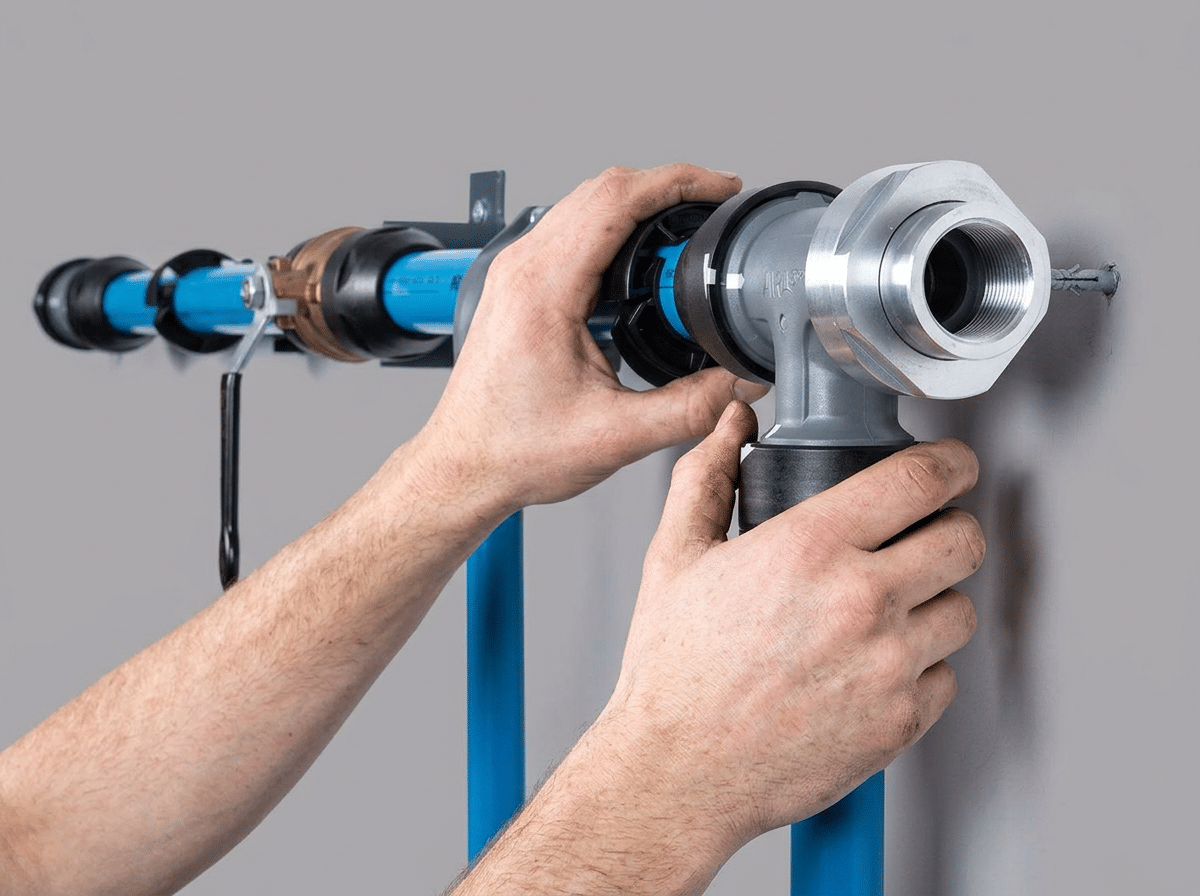
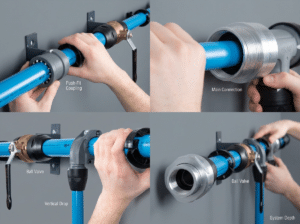
A truly effective compressed air system is much more than just a collection of pipes; it’s an integrated network where every part works in harmony. This is why we supply a complete range of products designed to build out your entire system from the compressor to the point of use. The secret to a leak-free network lies in high-quality compressed air fittings. Our push-to-connect fittings, elbows, and tees create secure, reliable joints without the need for welding, threading, or gluing. In addition to fittings, you will need mounting brackets to properly support the pipe, ball valves to isolate different zones for maintenance, and flexible hose drops to deliver air to your workstations. Thinking of the system holistically ensures that every connection is secure and that the efficiency gained from the aluminum pipe isn’t lost through a faulty connector or a poorly planned layout. We provide all the necessary components to ensure a seamless and professional installation.
How do I ensure my compressed air is clean and dry for my specific application?
The quality of your compressed air is just as important as the pressure and volume. Moisture, oil, and particulate matter can wreak havoc on sensitive pneumatic equipment, spoil paint finishes, or contaminate products in industries like food and beverage. While a clean aluminum piping system provides the perfect foundation, achieving specific air quality requires air treatment products. This is where filters, regulators, and lubricators (often called FRLs) come into play. A filter placed after the compressor or at the point of use will remove moisture and particulates. A regulator allows you to dial in the precise pressure needed for a specific tool or application, preventing damage and wasted air. For applications that require it, a lubricator adds a fine mist of oil to the air to keep pneumatic tools running smoothly. For even higher purity needs, air dryers are essential for removing water vapor. Understanding the air quality standards for your application is key, and we can help you select the right air treatment accessories to protect your equipment and guarantee the quality of your end product.
At Aluminum Air Pipe, our goal is to empower you with the products and knowledge to build a compressed air system you can be proud of. By focusing on a foundation of high-quality aluminum piping and supporting it with a full range of fittings, accessories, and air treatment solutions, you can create a network that is efficient, reliable, and built to last.