

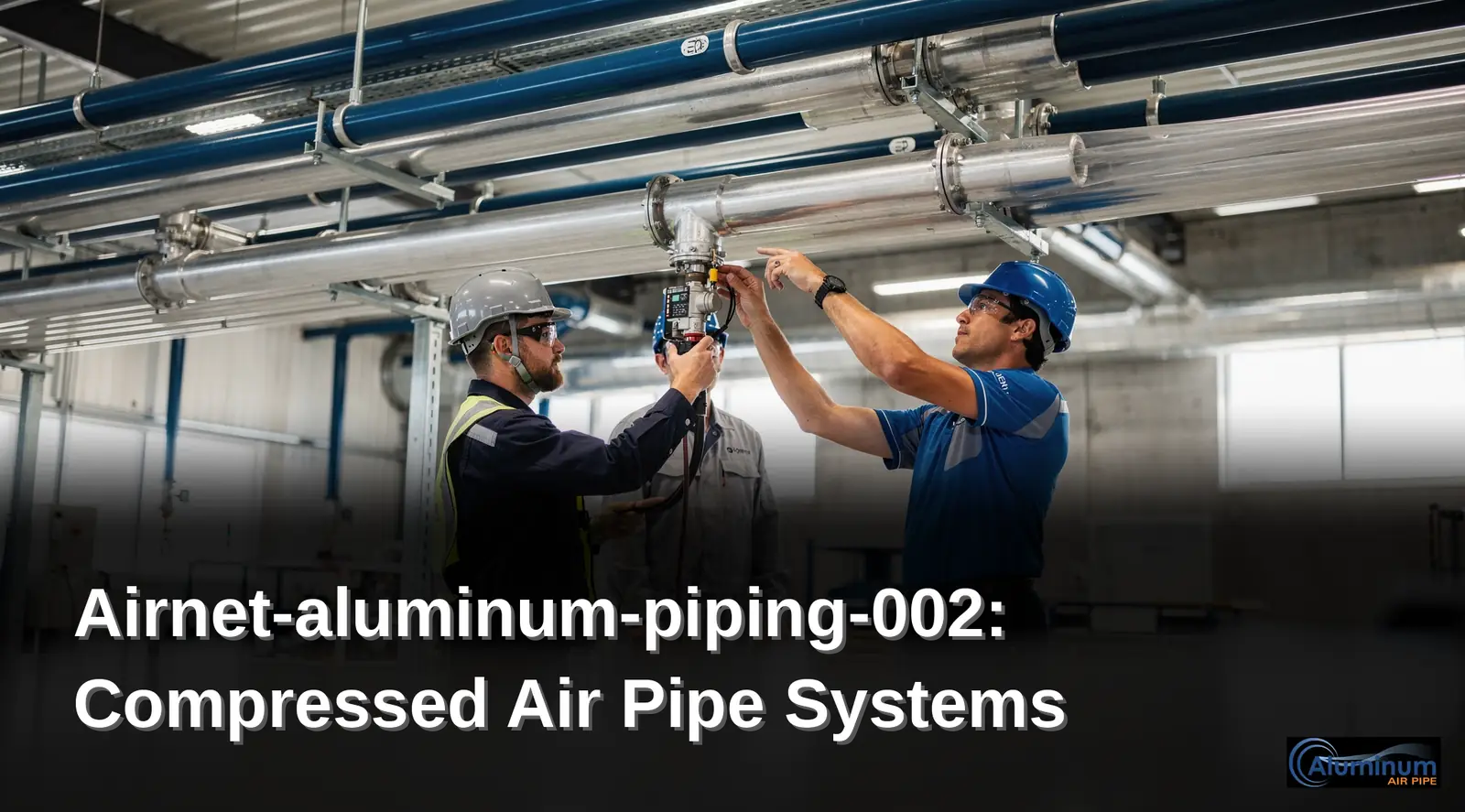
By Aluminum Air Pipe Editorial Team · Updated 2026-09-03
AIRnet aluminum piping systems deliver compressed air through lightweight, anti-corrosive aluminum tubing ranging from 3/4″ to 6″ in diameter. Push-to-connect fittings replace welding and threading, cutting assembly time by up to a notable share. Facility managers gain leak-free performance, smoother bore surfaces for lower pressure drop, and free design and material quoting for full system layouts.
What is an AIRnet aluminum piping system?
An AIRnet aluminum piping system is a complete compressed air distribution network built from lightweight, anti-corrosive aluminum pipes and push-to-connect fittings. The system delivers leak-free performance and meets international safety and industry standards, making it the preferred choice for industrial facilities. Pipe sizes range from 3/4 inch to 6 inches, accommodating everything from small workshops to large manufacturing plants.
How does the push-to-connect technology work?
All fittings from 3/4 inch through 2 inches use push-to-connect technology. This design eliminates the need for threading, welding, or adhesives during assembly. A technician simply pushes the pipe into the fitting until it clicks into place, creating an immediate, secure seal. The result is assembly times up to a notable share faster than traditional threaded or welded systems.
What makes aluminum the right material for compressed air piping?
Aluminum has become the industry standard for complete compressed air piping systems. The material resists corrosion, which prevents internal rust particles from contaminating the air stream. Aluminum pipes weigh significantly less than steel or iron alternatives, reducing structural load and making handling easier during installation. The smooth inner bore also minimizes pressure drop, lowering energy consumption across the network.
How does an AIRnet system work?
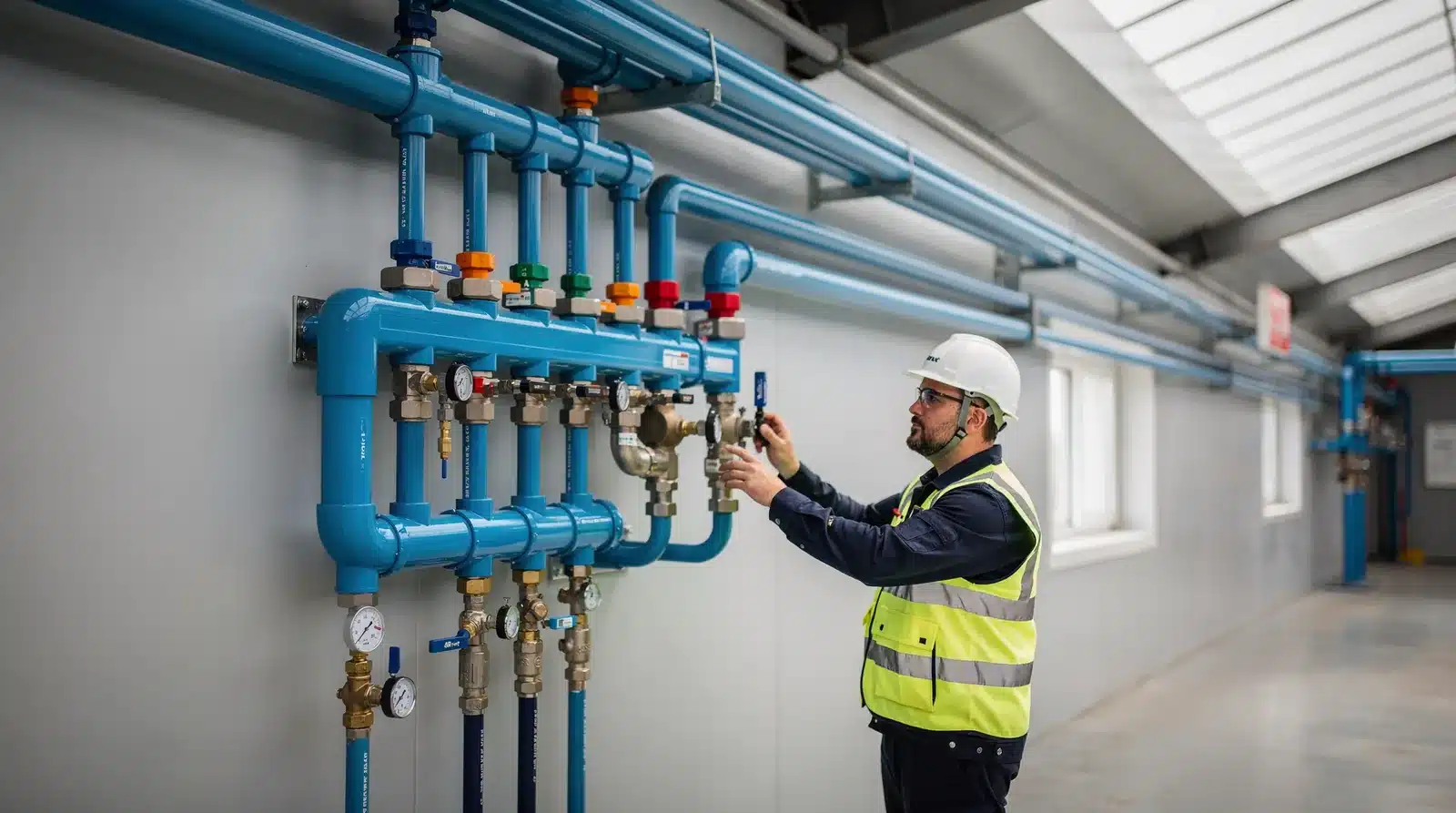
An AIRnet system distributes compressed air through a network of lightweight aluminum pipes and push-to-connect fittings. The system uses modular components that snap together without welding, threading, or special tools. Assembly times reach up to a notable share faster than traditional welded or threaded systems, according to the brand’s published specifications.
What makes the pipe design different from steel or copper?
The aluminum pipes feature a smoother bore inner surface compared to steel or copper alternatives. This smooth interior reduces friction as air moves through the network. Lower friction means less energy consumption and a smaller pressure drop across the system. Facility managers see lower operational costs as a direct result of this design choice.
How does the modular layout support future changes?
The lightweight materials and modular technology allow teams to modify or expand the network without shutting down operations. A plant can add a new production line or relocate equipment without cutting into existing pipe runs. The how-airnet-works-002 principle relies on this flexibility — sections disconnect and reconnect at the push-to-connect joints.
What role do the quick drop fittings play?
Quick drop fittings create vertical drops from the main header to point-of-use locations. These drops eliminate the risk of condensation contamination reaching tools or machinery. Moisture collects in the drop leg rather than traveling downstream. The airnet-aluminum-piping-002 system keeps the air stream dry and clean through this simple mechanical design.
How do you buy and install an AIRnet system?
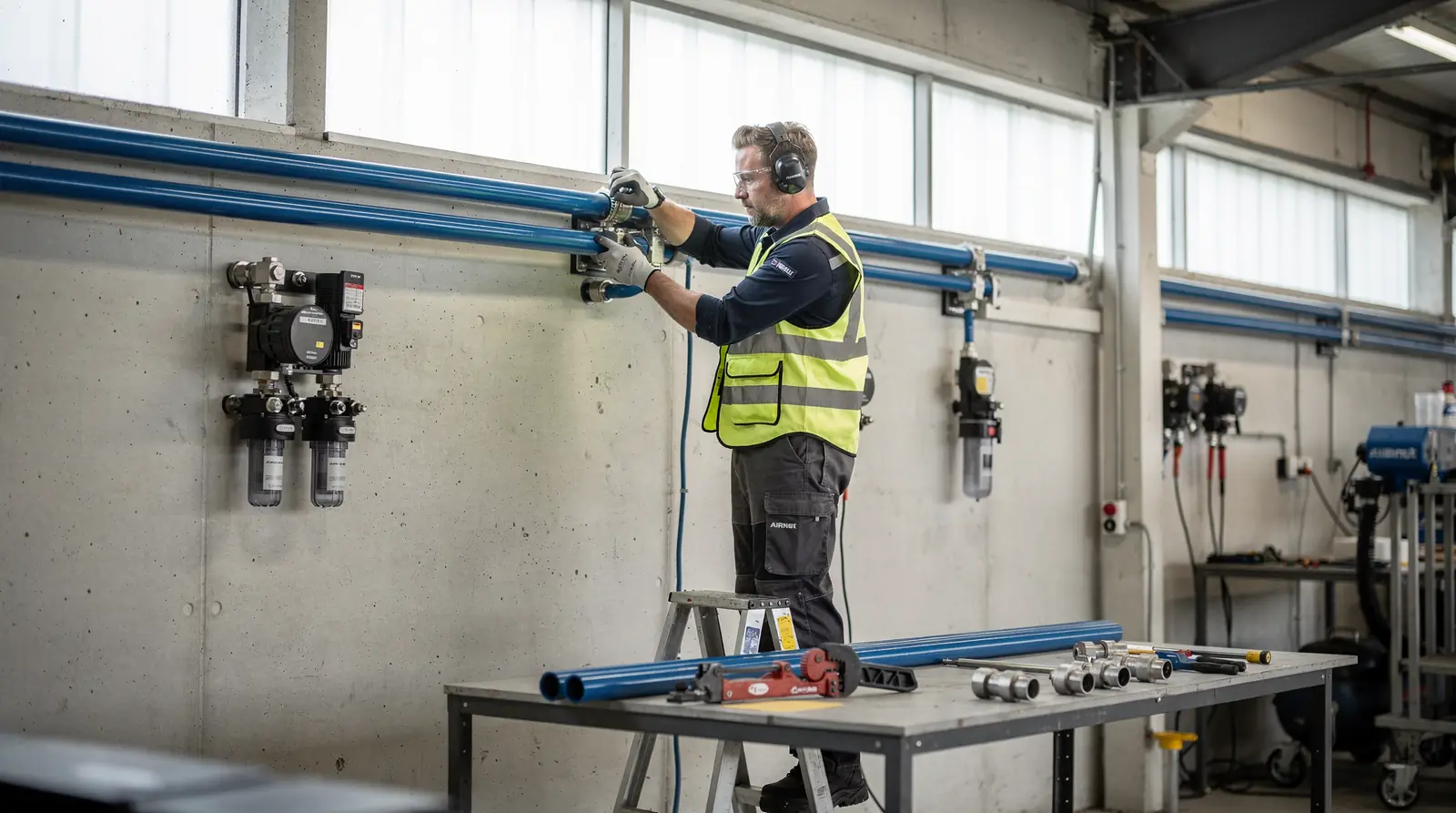
Aluminum Air Pipe eliminates the complexity of purchasing and installing a compressed air distribution network. The company provides free design and material quoting services, removing the guesswork from system planning. Clients simply submit their facility drawings, and the team handles the rest.
What is the first step to purchase an AIRnet system?
The process begins when a customer sends their facility drawings to Aluminum Air Pipe. The company then designs the complete system layout and provides a full material quote. This service covers pipe sizing, fitting selection, and drop locations tailored to the specific industrial application.
How does the installation process work?
Installation relies on how-airnet-works-002 push-to-connect technology for airnet-aluminum-piping-002 components. The system suits large industrial projects across multiple sectors:
- Wastewater treatment facilities
- Pharmaceutical manufacturing plants
- Food and beverage production lines
- Automotive assembly operations
Assembly times run up to a notable share faster than traditional threaded or welded systems. The lightweight aluminum material allows single-person handling of most components. A full line of stainless steel piping products will be available soon as an additional option for harsh environments.
For clients ready to proceed, airnet-systems-buy-002 through the company’s online store or by submitting drawings for a custom quote. The modular design supports future expansion without disrupting existing operations.
Conclusion
In closing, AIRnet aluminum piping systems deliver a straightforward solution for industrial operations seeking efficiency and reliability. The combination of push-to-connect assembly, leak-free performance, and reduced operational costs makes these systems a practical choice across multiple industries. With free design and material quoting services, Aluminum Air Pipe removes complexity from the purchasing process, allowing your team to focus on what matters—keeping your operations running smoothly and cost-effectively.