
By Aluminum Air Pipe Editorial Team · Updated 2026-09-03
When it comes to advantages-aluminum-piping-003, aluminum compressed air piping systems, such as AIRnet, deliver lighter weight, corrosion resistance, and smoother bore surfaces than copper or galvanized steel, cutting energy consumption and pressure drop. Push-to-connect fittings shrink assembly times significantly faster than traditional threading, reducing installation labor while ensuring leak-free, long-lasting performance across industrial facilities and production floors.
Why choose aluminum over steel piping?
Steel piping systems for compressed air demand significant labor, specialized equipment, and ongoing maintenance. Aluminum piping systems offer assembly times that are lower than traditional systems, according to Aluminum Air Pipe. The material difference translates directly into lower installation costs and reduced operational downtime for industrial facilities.
How does installation time compare between aluminum and steel?
Traditional steel pipe requires threading to join pipes and install fittings. This process demands special equipment, skilled workers, and thorough cleaning before the system goes live. Each of these steps adds labor hours and material costs. Aluminum systems eliminate threading entirely. The push-to-connect fittings on AIRnet systems allow crews to assemble piping in a fraction of the time, with no special tools or post-installation cleaning required.
What long-term advantages does aluminum offer?
Aluminum pipes are lightweight and non-corrosive. Steel pipes rust over time, creating internal scale that contaminates compressed air and damages downstream equipment. Aluminum resists corrosion completely, preserving air quality and system efficiency for years. The smooth inner bore of aluminum pipe also reduces pressure drop, lowering the energy the compressor must produce to maintain required flow rates. These advantages extend equipment life and reduce maintenance intervals. The benefits of aluminum piping become more pronounced over time as steel systems degrade and aluminum systems maintain efficiency. This explains why aluminum piping has become the preferred choice for new industrial compressed air installations.

How does aluminum reduce energy costs?
Aluminum piping reduces energy costs through two mechanisms: a smoother internal bore surface and inherent corrosion resistance. These properties directly lower the energy a compressor must expend to push air through the system.
What causes pressure drop in compressed air systems?
Rough interior pipe surfaces create friction that forces the compressor to work harder. Corrosion buildup in iron or steel piping compounds this problem. According to Unipipe, corrosion leads to system leaks, blockages, reduced airflow, and loss of pipe integrity. Each of these issues increases the pressure the compressor must generate, raising electricity consumption.
How does aluminum’s smooth bore save energy?
Aluminum Air Pipe systems feature smoother bore inner surfaces compared to steel or iron alternatives. This smoothness reduces friction against the moving air stream. Less friction means lower pressure drop across the pipe length. The compressor maintains required system pressure with less energy input. The result is measurable operational cost savings over the system’s lifespan.
Why does corrosion resistance matter for energy efficiency?
Aluminum pipes resist corrosion even in harsh environments with moisture or chemicals. Steel and iron pipes degrade over time, developing rust scale that narrows the internal diameter. A narrower bore forces the compressor to push air through a smaller opening, demanding more power. Aluminum avoids this degradation entirely. The pipe stays clean and full-bore for years, eliminating the creeping energy waste that corroded systems suffer.
These advantages for energy savings come from these physical properties. The benefits of aluminum piping include lower electricity bills and reduced compressor wear. This explains why aluminum piping outperforms traditional materials for operating cost control.
What makes installation faster and simpler?
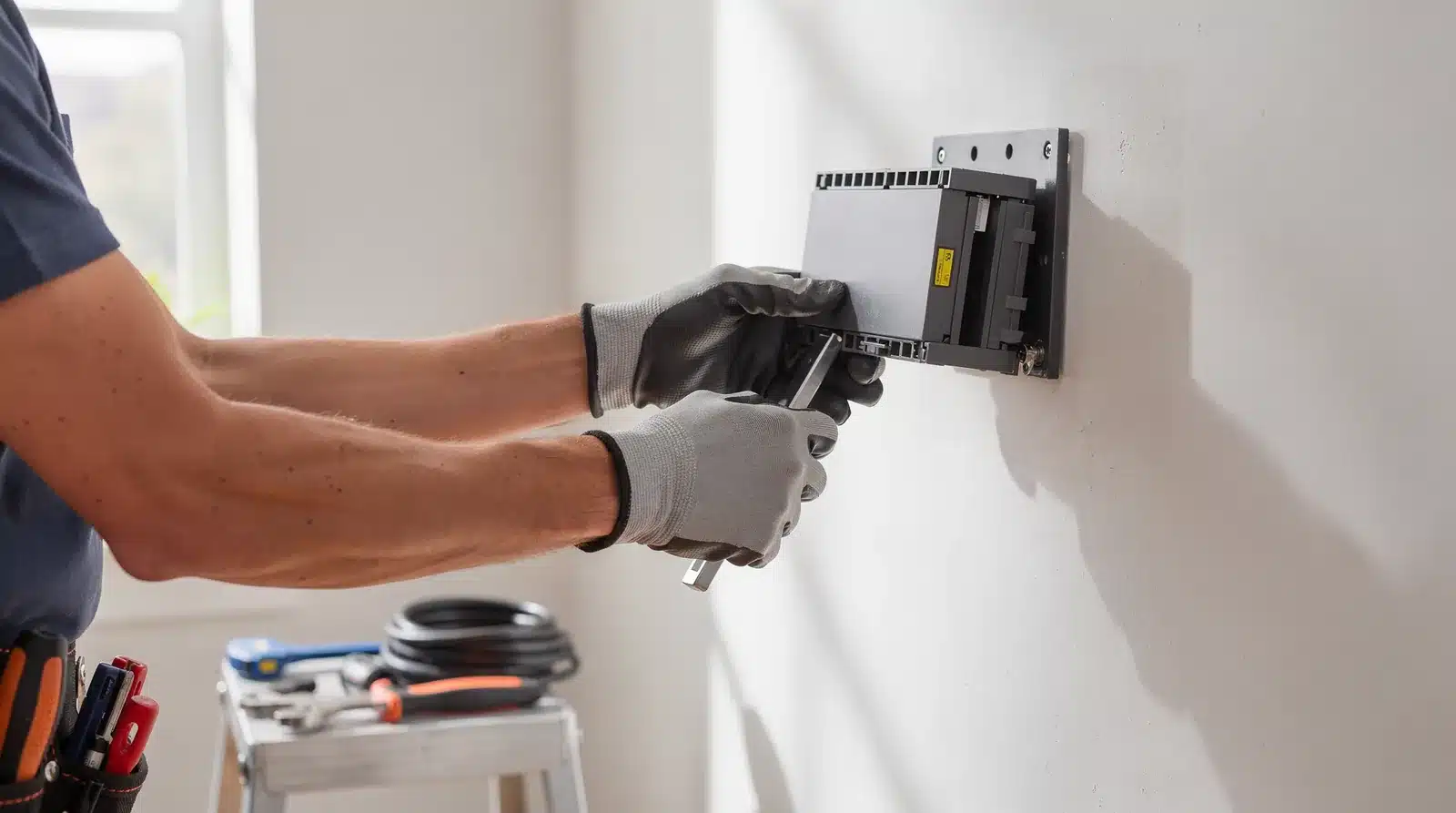
Aluminum Air Pipe’s AIRnet systems cut assembly time significantly compared to traditional threaded steel or copper piping. The speed comes from two core features: push-to-connect fittings and a free design service that eliminates guesswork.
How does push-to-connect technology speed up assembly?
AIRnet offers pipe sizes ranging from 3/4″ all the way up to 6″. A worker simply pushes the aluminum pipe into the fitting until it clicks. No threading, no soldering, no heavy wrenches. This method reduces labor hours dramatically and removes the need for specialized installation crews.
What role does the free design service play?
Aluminum Air Pipe provides free design and material quoting for every project. A facility manager sends a drawing, and the company returns a complete bill of materials with all fittings and pipe lengths specified. This step eliminates the back-and-forth of measuring, calculating drops, and ordering wrong parts. The result is a system that arrives ready to assemble, with every component accounted for before the first pipe is cut.
The combination of push-to-connect fittings and pre-engineered material lists delivers a leak-free installation that meets international safety and industry standards. For plant engineers managing tight shutdown windows, this speed translates directly into less downtime and faster return to production.
Conclusion
In closing, aluminum compressed air piping delivers measurable advantages across industrial operations: reduced energy consumption through smoother bore surfaces, faster installation via push-to-connect technology, and extended system longevity from lightweight, non-corrosive materials. Aluminum Air Pipe’s AIRnet systems combine these benefits with leak-free performance and adherence to international standards, making them a practical choice for facilities seeking to lower operational costs while maintaining reliability across wastewater treatment, pharmaceuticals, food and beverage, and other demanding sectors.